Darjeeling Tea — Everything the world wants to know
Darjeeling tea

🌿 DARJEELING TEA

Darjeeling tea is the most celebrated tea on earth. Grown in the misty Himalayan hills of West Bengal, India, it is the only tea in the world known as the “Champagne of Teas.” This is your complete, independent guide — what it is, how it tastes, how to brew it, and how to find the best cup possible, from any garden, anywhere in the world.

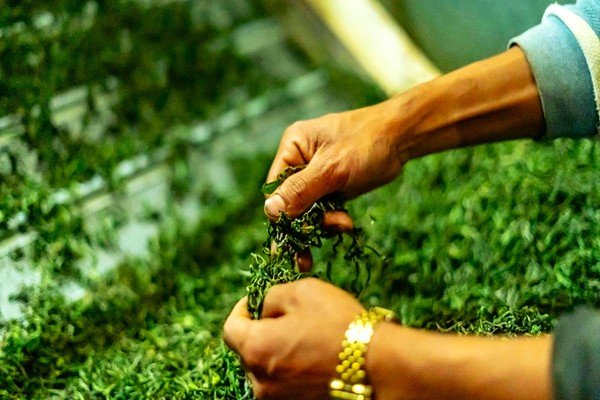
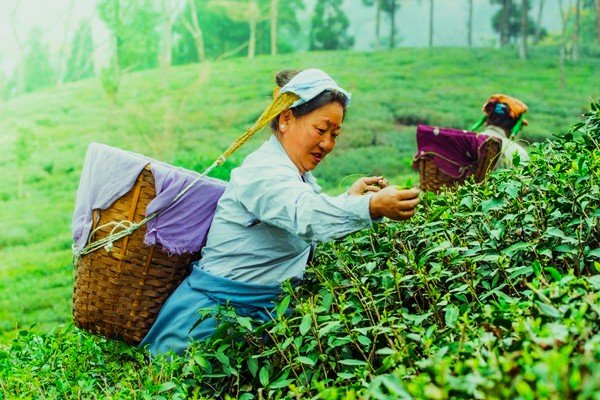
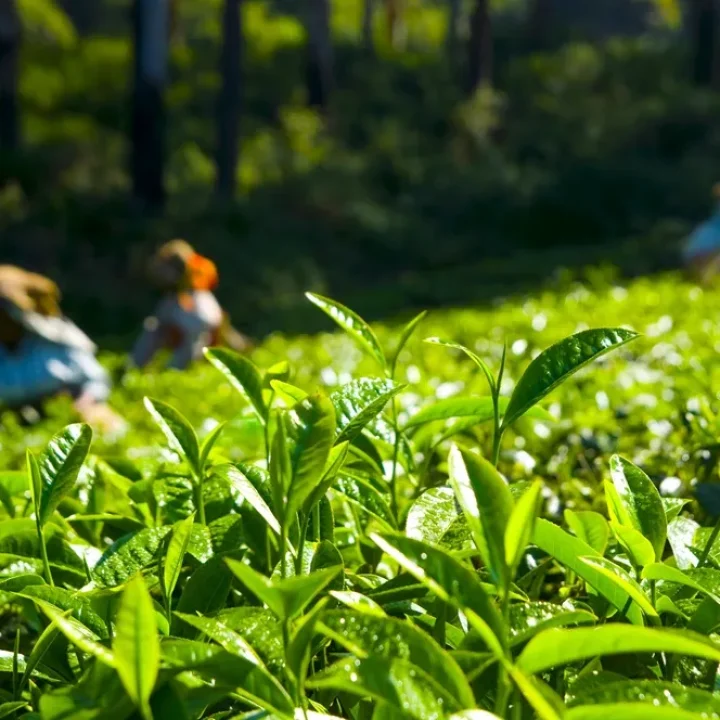
Darjeeling tea is more than just a beverage—it’s a taste of the Himalayas. Grown on the mist-covered slopes of Darjeeling, every leaf is carefully handpicked to create a delicate aroma, floral notes, and a smooth, refreshing flavor that tea lovers cherish around the world.

“Brew a cup of Darjeeling, and let the mountains speak to your soul.”

The story of Darjeeling tea begins in 1841 — not with an Indian planter, but with a British civil surgeon named Archibald Campbell.

Campbell arrived in Darjeeling in 1839 as its first superintendent, at a time when the hill station was a sparsely populated settlement of barely 25 families. The British East India Company was actively seeking to break China’s monopoly on the global tea supply, and Campbell — a skilled botanist with a personal curiosity about horticulture — obtained seeds of the Chinese tea plant (Camellia sinensis) and planted them in his private garden at Beechwood, Darjeeling.

The experiment succeeded. The Chinese variety flourished in the cool altitude and misty climate in ways the Assamese variety, which preferred warmer and wetter lowland conditions, simply could not match.

A timeline of key milestones:

  • 1841 — Archibald Campbell plants the first tea seeds in Darjeeling
  • 1847 — British government establishes formal tea nurseries
  • 1852 — First commercial tea gardens established: Tukvar, Steinthal, and Alubari
  • 1856 — Alubari Tea Estate becomes the first garden under formal commercial management
  • 1866 — 39 tea gardens in Darjeeling, producing 20 quintals of tea; Makaibari estate establishes the region’s first processing factory
  • 1874 — 113 commercial tea gardens across the district
  • 1880s–1900s — Darjeeling Himalayan Railway connects the hills to the plains, transforming the industry
  • 1947 — Indian independence; gardens pass to Indian ownership
  • 1988 — Makaibari becomes the first tea estate in India to receive organic certification
  • 1993 — Makaibari receives the first biodynamic certification
  • 2003/2004 — Darjeeling tea receives India’s first Geographical Indication (GI) tag
  • 2011 — European Union formally endorses the Darjeeling GI as a Protected Geographical Indication (PGI)

Today, approximately 87 registered tea gardens operate across Darjeeling, producing around 8,000–10,000 tonnes of tea annually — a fraction of India’s total production, which makes each kilogram of genuine Darjeeling tea genuinely rare.

Darjeeling Tea Estate
87

Registered tea gardens in Darjeeling

10,000+

Tonnes produced annually

600–2000m

Altitude range of Darjeeling gardens

150+

Years of tea history in these hills
The complete answer — what makes Darjeeling tea unique

Darjeeling tea is a tea produced exclusively in the Darjeeling district of West Bengal, India — in the foothills of the Himalayas, at altitudes between 600 and 2,000 metres. It is made from the Camellia sinensis plant, primarily the Chinese variety (sinensis), which produces smaller, more flavour-complex leaves than the Assamese variety used in most Indian teas. The cool mountain air, steep altitude, misty mornings, and thin acidic soil create conditions that cannot be replicated anywhere else on earth. The result is a tea of extraordinary complexity — floral, muscatel, light-bodied, and unmistakably itself.

Darjeeling district, West Bengal, India. The region covers roughly 1,800 sq km in the foothills of the Eastern Himalayas, bordering Nepal, Bhutan, and Sikkim.
Origin
Where Darjeeling tea grows
Light golden to amber in the cup. Floral, muscatel (sweet grape-like) notes. Delicate astringency. Clean, refreshing finish. Utterly unlike any other Indian tea.
Taste
What Darjeeling tea tastes like
High altitude means cold nights, slow leaf growth, and high catechin concentration. This stress on the plant creates the complex, layered flavour Darjeeling is known for globally.
Altitude
Why altitude defines flavour
Darjeeling holds a Geographical Indication (GI) tag — one of the first Indian products to do so. Like Champagne in France, only tea from this region can legally carry the Darjeeling GI mark.
Status
The Champagne of Teas

Darjeeling tea by season — first flush, second flush, monsoon, autumn

The flavour of Darjeeling tea changes dramatically depending on when the leaves are harvested. This is called the “flush” — and understanding it is the single most important thing a buyer can know.

The year's first harvest. Young, tender buds. Pale golden cup. Fresh, floral, spring-grass notes. Light-bodied, low astringency. Most prized by connoisseurs globally.
March — May
First Flush (Most expensive)
Heavy rainfall accelerates growth. Larger leaves, darker cup, stronger body. Less nuanced but excellent value. Often used in blends or spiced chai preparations
June — Sept
Monsoon Flush (Best Value)
The most internationally celebrated flush. Amber cup. Rich, full muscatel character — the signature sweet grape-like note. More body than first flush. Bold and complex..
May — June
Second Flush (Muscatel peak)
The final harvest of the year. Coppery liquor. Smooth, mellow, woody sweetness. Toasty, nutty hints. Full body without bitterness. Underrated by many buyers.
Oct — Nov
Autumn Flush (Underrated gem)

The correct way to brew Darjeeling tea — step by step

Darjeeling tea is more delicate than most black teas. Boiling water destroys its subtle floral notes. Follow these steps for the perfect cup every time.
Darjeeling Tea
How to brew Darjeeling tea
1.Water temperature

85–90°C for first flush. 90–95°C for second flush and autumn. Never use boiling water — it scalds the leaves and turns the cup bitter.

3.Steeping time

First flush: 2.5–3 minutes. Second flush: 3–3.5 minutes. Autumn: 3–4 minutes. Start a timer — even 30 extra seconds changes the cup significantly.

5.Vessel

Pre-warm your cup or teapot with hot water before brewing. A glass or white porcelain cup lets you appreciate the colour of the liquor.

2.Leaf quantity

2–2.5g of loose leaf per 200ml of water. Use a kitchen scale for precision. Too little = flat. Too much = astringent

4.Milk or not?

No milk for the first flush—it destroys the delicate floral notes. The second flush can take a small splash. Autumn flush pairs well with milk.

6.Re-steep

Quality loose-leaf Darjeeling can be steeped 2–3 times. Each steep reveals a different layer of flavour. Second steep is often the smoothest.

Darjeeling Tea Garden
People also ask—Darjeeling tea

The most searched questions about Darjeeling tea — answered

People also ask

Darjeeling tea is a premium tea grown exclusively in the Darjeeling district of West Bengal, India, in the foothills of the Himalayas at altitudes between 600–2,000 metres. It is produced from the Camellia sinensis plant and is famous globally for its unique muscatel flavour, floral aroma, and light golden colour. It holds a Geographical Indication (GI) certification — making it one of the world’s most protected food designations, alongside French Champagne and Italian Parmigiano-Reggiano.

Darjeeling tea has a distinctive light, floral, and muscatel (sweet grape-like) taste. The cup is pale golden to amber in colour. It is less bitter and lighter-bodied than Assam or Ceylon teas. First flush tastes fresh and spring-like. Second flush has a richer, more complex muscatel character. The flavour changes significantly by harvest season.

Technically yes — most Darjeeling teas are processed as black tea using the orthodox method. However, first flush Darjeeling is only lightly oxidised and behaves more like an oolong in taste and colour. Darjeeling is also produced as green tea, white tea, and oolong — but the black tea varieties (especially second flush) are what most of the world refers to when they say “Darjeeling tea.”

Scroll to Top